The Character of Zhejiang Cooking
Zhejiang cuisine originates from the eastern coastal province of Zhejiang and is widely regarded as one of the most refined regional traditions in Chinese cooking. Because the region has access to rivers, lakes, the sea and fertile farmland, its cuisine makes extensive use of fresh fish, shrimp, bamboo shoots and seasonal vegetables.
Unlike cuisines that rely on intense spice or heavy sauces, Zhejiang cooking emphasises freshness, restraint and clarity of flavour. The goal is to preserve the natural quality of ingredients while enhancing them through gentle seasoning and precise technique. This gives many dishes a light, elegant and balanced character.
Steaming, quick stir-frying and light braising are common techniques in Zhejiang cuisine. These methods allow ingredients to retain moisture and texture while keeping flavours clean and delicate. Presentation is also important, with many dishes designed to appear graceful and visually balanced on the plate.
During my exploration of Zhejiang cuisine, I found that the biggest challenge was learning to cook with restraint. Because the seasoning is subtle, even small changes in heat, timing or sauce balance can noticeably affect the final result. This made me appreciate how much technique and patience are required to create dishes that seem simple but are actually very precise.
- Fresh river fish, shrimp and seafood
- Bamboo shoots and seasonal vegetables
- Light braising, steaming and stir-frying
- Elegant presentation and balanced flavour
Zhejiang Recipe Experiments
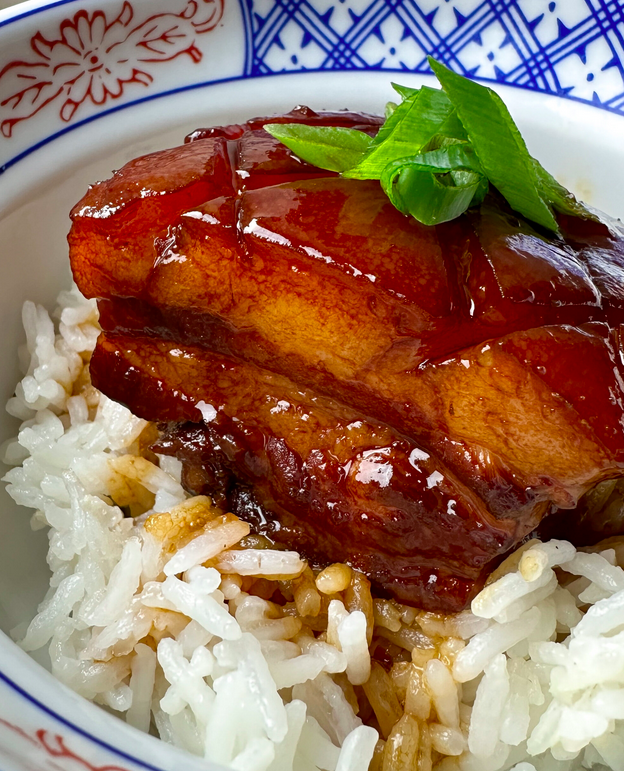
Dongpo Pork
Dongpo Pork is one of the most famous dishes associated with Zhejiang cuisine, particularly from the city of Hangzhou. The dish features pork belly slowly braised in soy sauce, rice wine and sugar until the meat becomes extremely tender and the fat melts into a rich savoury glaze.
What makes this dish distinctive is the slow cooking process, which allows the flavours to develop gradually. During my experiment with this recipe, I focused on balancing braising time and sauce reduction. When done correctly, the final texture becomes soft and silky while still keeping its structure.
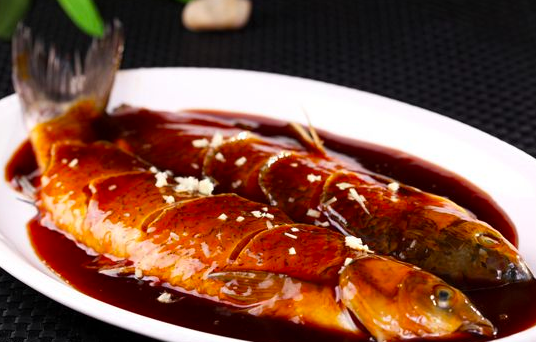
West Lake Vinegar Fish
West Lake Vinegar Fish is another iconic dish from Hangzhou. Fresh river fish is gently cooked and served with a light sweet-and-sour vinegar sauce. The flavour is delicate and balanced, reflecting Zhejiang cuisine’s emphasis on freshness and subtle control.
Unlike heavier sauces found in some other cuisines, the sauce here is intentionally restrained so that it enhances rather than overwhelms the fish. Through making this dish, I learned that the key challenge lies in keeping the fish tender while maintaining the light and clean quality of the sauce.
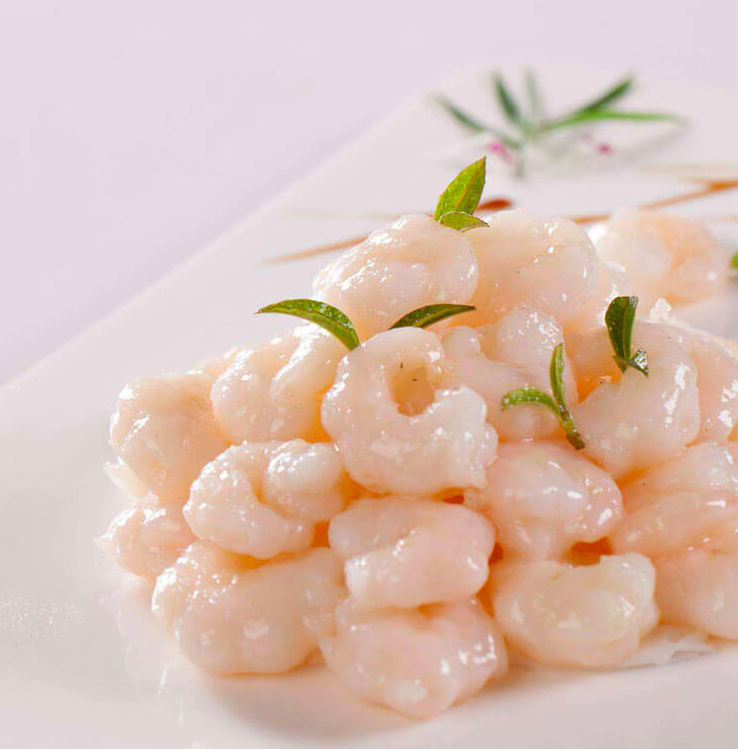
Longjing Tea Shrimp
Longjing Tea Shrimp is a unique dish that combines fresh shrimp with Longjing green tea leaves from Hangzhou. The shrimp are quickly stir-fried with tea infusion, producing a subtle fragrance and light flavour that feels elegant and distinctive.
This recipe showed me how Zhejiang cuisine often uses unusual ingredients in a very gentle way. Instead of creating bold contrast, the tea adds fragrance and freshness that support the sweetness of the shrimp. It is a good example of how simplicity can still produce a memorable flavour.
Reflection on My Cooking Experience
While exploring Zhejiang cuisine, I found that the greatest challenge was learning to trust subtle flavours. Dishes that appear simple can be difficult because there is very little room to hide mistakes. Ingredient quality, cooking time and presentation all become more important when the seasoning is light.
Through these recipes, I developed a stronger appreciation for balance and technique in Chinese cooking. Zhejiang cuisine demonstrated that elegance does not come from complexity alone. Instead, it often comes from restraint, precision and respect for the natural taste of ingredients.