The Character of Hunan Cooking
Hunan cuisine originates from Hunan province in south-central China and is widely recognised for its bold and fiery flavour profile. Unlike Sichuan cuisine, which combines chilli heat with the numbing sensation of peppercorn, Hunan cooking emphasises direct chilli intensity, fresh aromatics and strong savoury depth.
Fresh red and green chillies are central to many Hunan dishes and are often paired with garlic, shallots, fermented sauces and smoked ingredients. Because of this, the cuisine develops a flavour that feels energetic, fragrant and immediate. Rather than relying on a single type of spice, Hunan cooking layers heat through fresh ingredients and aromatic oils.
Common cooking methods include stir-frying, braising and steaming. These techniques allow ingredients to absorb flavour quickly while still preserving texture. Hunan cuisine often feels more direct and robust than other regional styles, with a stronger emphasis on freshness and natural chilli heat.
During my exploration of Hunan cuisine, I noticed that cooking speed and heat control are especially important. Many dishes rely on fast preparation in order to preserve the brightness of the chillies and the texture of the ingredients. This gave me a better understanding of how spice, aroma and timing work together in regional Chinese cooking.
- Fresh red and green chillies
- Garlic, shallots and fermented sauces
- Smoked meats and braised pork dishes
- High heat stir-frying and steaming techniques
Hunan Recipe Experiments
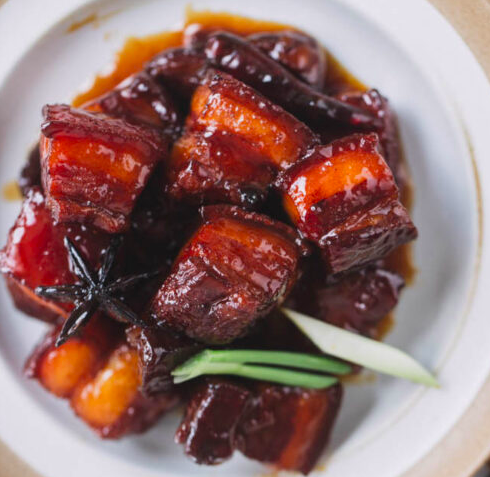
Chairman Mao's Red Braised Pork
This famous dish from Hunan province features pork belly slowly braised in soy sauce, sugar and spices until the meat becomes rich, tender and deeply flavoured. Although the dish is not as aggressively spicy as some other Hunan recipes, it still reflects the cuisine’s preference for strong savoury depth and warming aromatics.
While making this dish, I focused on balancing sweetness, soy sauce and braising time. The long cooking process softens the pork and allows the sauce to develop a glossy, concentrated texture. Through practice, I realised that patience is essential to achieving the correct richness without making the dish too heavy.
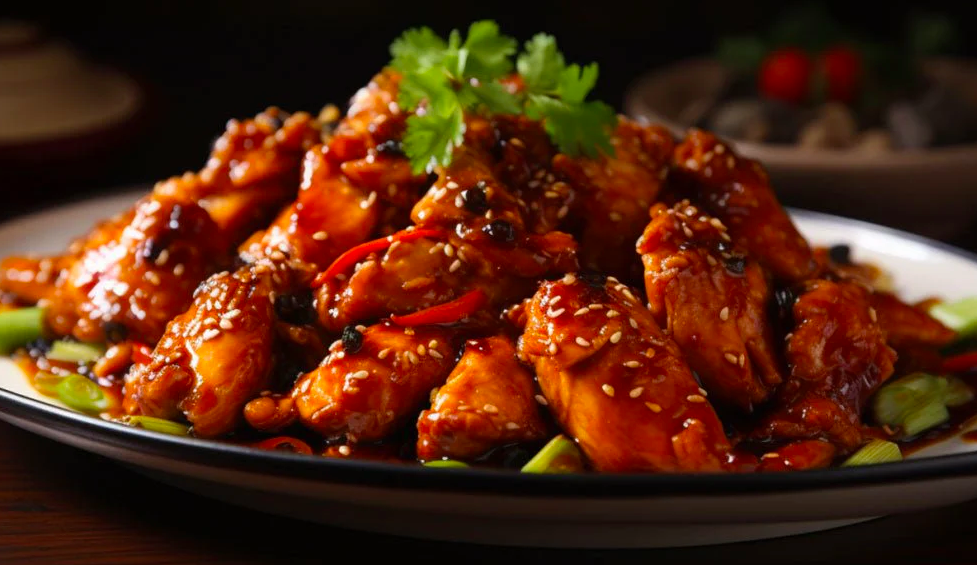
Hunan Spicy Chicken
Hunan Spicy Chicken is a classic stir-fry dish made with chicken, garlic and fresh chilli peppers. It highlights the bright heat and aromatic intensity that define Hunan cooking. The dish is usually cooked quickly over high heat so the ingredients remain vivid in both flavour and texture.
This recipe showed me how important cooking speed is in Hunan cuisine. If the chicken cooks too slowly, the dish loses freshness and the chillies soften too much. High heat allows the flavours to build quickly while preserving the sharp and lively quality of the aromatics.
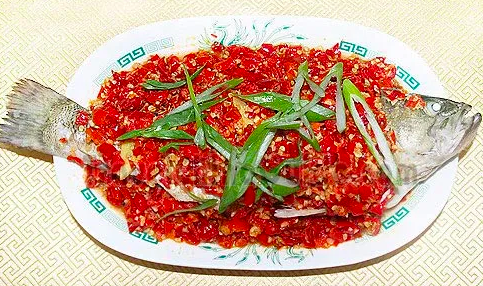
Steamed Fish with Chilli
In this dish, fresh fish is steamed with chopped chillies and soy sauce, creating a combination of delicate seafood flavour and bright spicy heat. It reflects an important characteristic of Hunan cuisine: even when a dish is spicy, the main ingredient should still remain clear and recognisable.
When preparing this recipe, I paid attention to steaming time and the balance between sauce and fish. Too much sauce can overpower the seafood, while too little can make the dish feel plain. Through experimentation, I found that careful restraint helps preserve both freshness and flavour.
Kitchen Exploration
While studying Hunan cuisine, I became interested in how chilli heat interacts with different cooking methods. One idea I explored further was a chilli-garlic noodle dish inspired by Hunan flavours, combining fresh noodles, garlic oil and roasted chilli paste to create a simple but intense result.
Cooking Hunan dishes also highlighted the importance of essential kitchen tools. A high-heat wok is especially useful because many recipes rely on quick cooking that builds flavour in a short time. A sharp knife is also important for efficiently preparing vegetables, meat and chillies.
Overall, exploring Hunan cuisine helped me better understand how freshness, aroma and heat can work together to create a cooking style that feels energetic and powerful. Compared with some of the more delicate regional cuisines, Hunan food expresses its identity with confidence and immediacy.