Understanding Fujian Cooking
Fujian cuisine originates from the southeastern coastal province of Fujian, where access to the ocean has strongly shaped the region’s culinary identity. Seafood plays a central role in many dishes, and soups and broths are often regarded as some of the most refined elements of the cuisine.
One of the defining features of Fujian cooking is its emphasis on aromatic broth-based dishes. Ingredients such as seafood, meats, mushrooms, rice wine and herbs are carefully combined to produce flavours that develop gradually during cooking. The result is a cuisine that feels light in texture but rich in depth.
Compared with cuisines that depend on heavy spice or intense seasoning, Fujian cuisine values harmony and fragrance. The seasoning is often subtle, allowing the broth and the freshness of the ingredients to remain central. This gives the cuisine a refined and layered quality.
During my exploration of Fujian cooking, I found that patience was especially important. Many dishes only reach their full flavour after slow simmering and careful ingredient balance. This taught me how much aroma, broth and timing can influence the character of a dish.
- Fresh seafood and shellfish
- Complex soups and long-simmered broths
- Mushrooms, herbs and rice wine
- Balanced seasoning and aromatic depth
Fujian Recipe Experiments
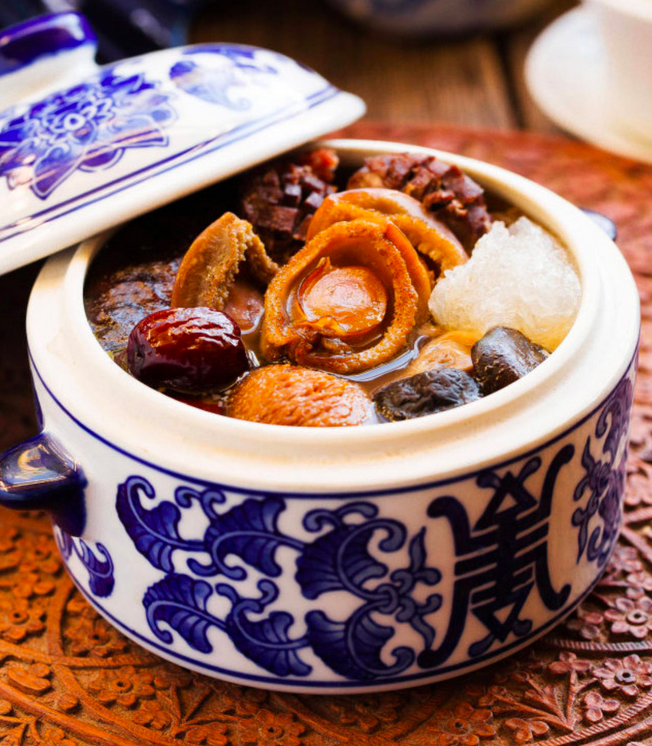
Buddha Jumps Over the Wall
This legendary Fujian dish is famous for its luxurious preparation and its complex combination of ingredients. The soup often contains seafood, meats, mushrooms and medicinal-style aromatics that are slowly simmered together to create a rich and layered broth.
The dish is an excellent example of how Fujian cuisine values aroma and slow development of flavour. While working with this recipe, I realised that the challenge lies not in intense seasoning, but in creating depth through patience and careful coordination of ingredients.
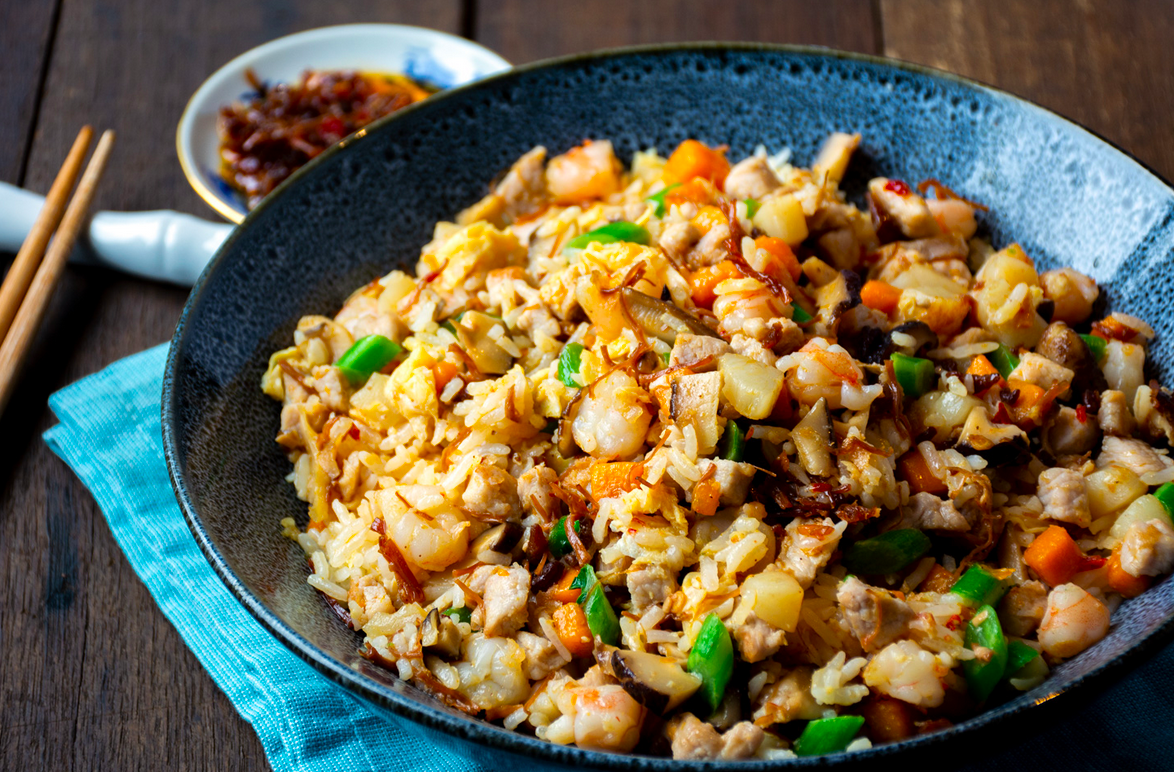
Fujian Fried Rice
Unlike ordinary fried rice, Fujian Fried Rice is usually served with a thick savoury sauce poured over the rice. The sauce often contains shrimp, mushrooms, vegetables and broth-based flavouring that adds richness and texture to the dish.
This recipe showed me how Fujian cuisine often combines simple staples with more complex sauces. The contrast between the rice and the glossy topping creates a dish that feels comforting while still reflecting the cuisine’s emphasis on broth and layered flavour.
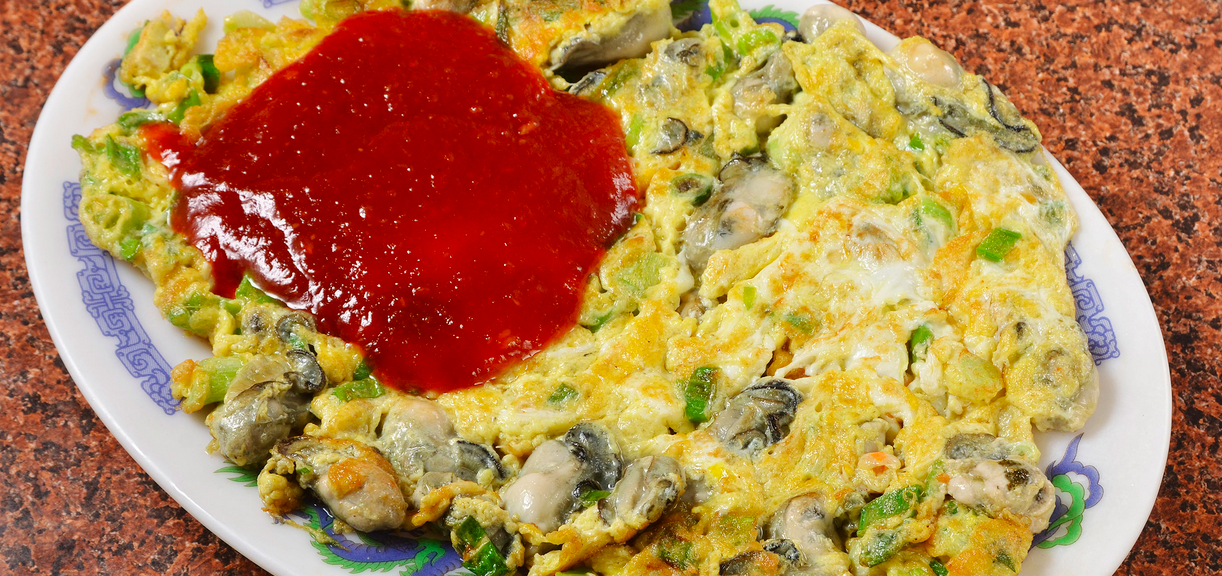
Fujian Oyster Omelette
The oyster omelette is a popular street food dish made with fresh oysters, eggs and starch. The final texture combines a crisp exterior with a softer centre, allowing the oyster flavour to remain the focus.
Although it is a more casual dish than some of Fujian’s famous soups, it still reflects the strong seafood identity of the region. During my experiment with this recipe, I noticed how important texture control is, because the balance between crispness and softness defines the overall experience.
Reflection on My Cooking Experience
Working with Fujian cuisine helped me better understand the role of broth and aroma in Chinese cooking. Many dishes rely on gradual flavour development, which means timing and ingredient balance are especially important. This style of cooking rewards patience and attention rather than aggressive seasoning.
During my experiments, I found that seafood, herbs and sauces needed to be handled carefully to avoid overpowering the natural flavour of the ingredients. Through repeated attempts, I learned that Fujian cuisine values harmony and subtle depth, producing dishes that feel both elegant and satisfying.